
Paris Peace Forum | 10-11 Nov.

In an era marked by economic constraints and unprecedented global challenges, the Paris Peace Forum is launching, together with partners, an ambitious initiative to establish a comprehensive Child Priority Framework.
This initiative aims to prioritize child health, education, nutrition, protection, and psychosocial wellbeing as central pillars of global development efforts. By focusing on the most effective investment—our children—we seek to transform long-term global development outcomes, foster human capital, and build resilience in the most vulnerable populations.
International development cooperation is at a critical juncture, with shrinking political commitment and financing threatening decades of progress. As conflict, climate change, and economic pressures intensify, children face growing risks to their health, nutrition, learning, and overall wellbeing.
Investing in children is the most effective way to alleviate suffering and enable a better life for the greatest number of people. Children are the foundation of future societies, and their well-being is intrinsically linked to global stability and prosperity. By preserving child health, education, and nutrition, we can address immediate needs and catalyze progress across multiple Sustainable Development Goals (SDGs), including reducing poverty, advancing gender equality, promoting environmental sustainability, and fostering peace.
Recent data highlights significant challenges in child development across lower middle-income countries (LMICs), with poverty and malnutrition being primary concerns. In 2024, 4.9 million children died under the age of five – although a record low, progress has slowed since 2015.
Child Poverty Trends. More than half of the 1.1 billion people living in multidimensional poverty are children. Young children (ages 0–9) are especially affected, making up one-third of all people living in multidimensional poverty.
Malnutrition and Food Insecurity. 1 in 4 children under five (181 million) experienced severe food poverty in 2024, making them up to 50% more likely to experience wasting (low weight relative to height, indicating acute malnutrition). Factors such as armed conflict, climate change, and economic crises have exacerbated this situation, particularly in regions like sub-Saharan Africa and South Asia.
Educational Challenges. The COVID-19 pandemic has exacerbated "learning poverty" leading to educational setbacks. An estimated 70% of 10-year-olds in LMICs could not read an age-appropriate text.
Developmental Milestones. Only 54% of children under the age of 5 in the least developed countries are developmentally on track in their health, learning, and psycho-social wellbeing. Factors contributing to this include poverty, malnutrition, and lack of cognitive stimulation.
Maternal health significantly influences child development. 92% of all maternal deaths occur in LMICs, predominantly in Sub-Saharan Africa, mostly from preventable causes. Over 35% of pregnant women in LMICs are anemic, leading to low birth weights and increased neonatal mortality. Limited access to prenatal and postnatal care compounds these issues; over one-third of women in low-income countries lack skilled care during childbirth, increasing the risk of complications and mortality.
The economic case: Every $1 invested returns up to $44 in childhood immunization, $23 in nutrition and $17 in early childhood programming, through higher survival and learning, greater productivity, and lower health and social costs.
The Child Priority Framework recognizes that child wellbeing challenges vary across countries, each with unique contexts and priorities. It serves as a global platform where governments, organizations, and experts can share experiences, identify what works, and scale the most effective investments to improve children's wellbeing around a set of shared priorities. Based on consultations and expert input, five interconnected pillars have emerged as the foundation of a holistic approach to child wellbeing:
Investing in these five pillars is both a moral imperative and one of the most effective ways to build long-term stability and shared prosperity. Through a unified agenda, the framework aims to:
To further develop the Child Priority Framework, the Paris Peace Forum is building:
In November 2026, the 9th edition of the Paris Peace Forum, under the umbrella of the French Presidency of the G7, hosted the Child Summit, a flagship event dedicated to prioritizing a holistic, multisectoral approach to child wellbeing, which is the central tenet of the Child Priority Framework. The Summit represented a major milestone for the Child Priority Framework, by reinforcing global momentum through renewed political commitment, accelerating implementation, and mobilizing partners around a unified agenda for child wellbeing.
More than 50 countries, 8 international organizations and 20 non-governmental organizations, philanthropies and businesses signed the Children First Declaration, pledging to put children’s rights and wellbeing at the heart of their policies, programs and actions, and to reach tangible results across the five pillars by 2045. The Summit also saw the launch of the Child Priority Framework and the Action Hub for Children, as well as an €8 million pledge from AI developers and AI safety organizations to fund research and tools on the interaction between AI and child development.
INTAiC - Integrated Network for Trusted AI in Cyberspace

Paris Declaration on Business & Nutrition 2030
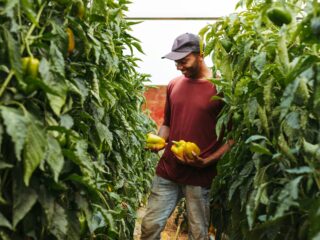
On the road to the N4G Summit
Global Council for Responsible Transition Minerals

Children Online Protection Lab

 Publication
 – White Paper “Bringing society back in”
 Publication
2026 ATLAS Investment Barometer
 Policy Brief
Ahead of the N4G Summit: Policy Recommendations to Tackle Malnutrition
 Interview
Boxing Back: The Knockout Program’s Fight for Reintegration
 Interview
Agricultural Transformations and Food Security: A South-North Dialogue
 Interview
Humanitarian Assistance 2.0: Tech that saves lives in times of crisis