Paris Peace Forum 2026 | 11-12 Nov.
D-227
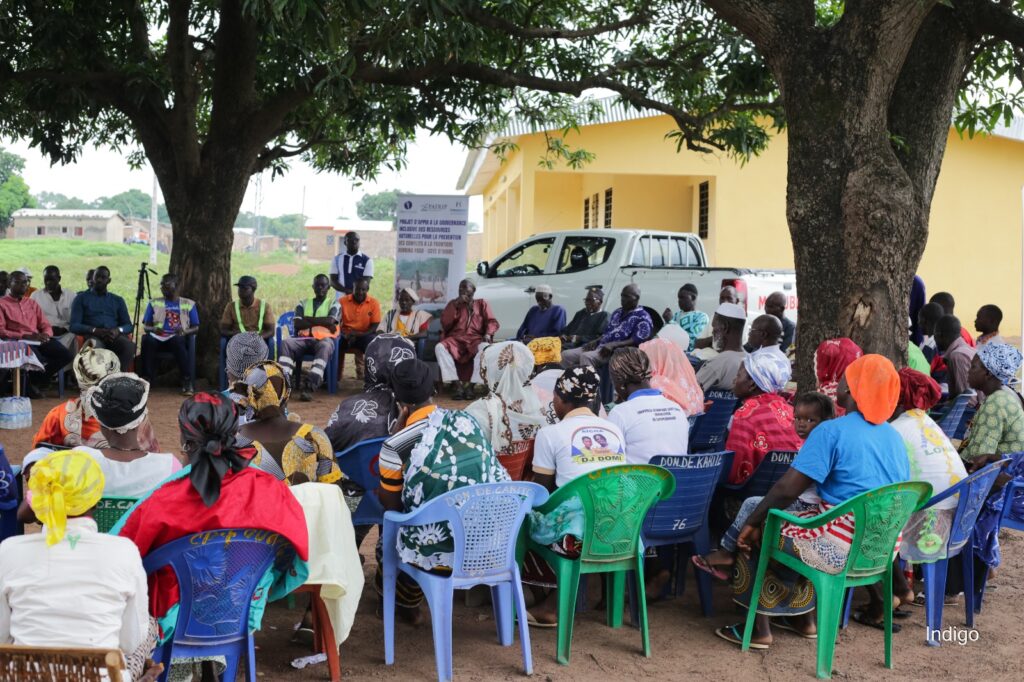
Interpeace’s cross-border initiative in Mali, Burkina Faso and Cote d’Ivoire contributes to peace by strengthening communities’ capacities for conflict resolution through co-management of land and natural resources. The project reinforces trust, social cohesion and empowers vulnerable women and youth by promoting climate-resilient livelihoods and infrastructures for inclusive local governance. Implemented with the PATRIP Foundation and local partners, the initiative has already led to a measurable decline in land-related conflicts and aims to scale up the construction of infrastructures. Ultimately, it will contribute to countering violent extremism in high-risk areas.
This represents a promising example of Interpeace’s Peace Responsiveness approach, embedding peacebuilding into broader humanitarian, development and environmental programming in fragile settings.
Interpeace is an international organisation that supports locally led peacebuilding and helps communities to find non-coercive, inclusive and sustainable solutions to overcome conflict. Interpeace collaborates with non-peace actors (governments, development, humanitarian, climate) to foster responsive contributions to peace, enabling systemic change. By fostering social cohesion through economic and environmental peacebuilding, the project is rooted in Interpeace’s peace responsive approach.
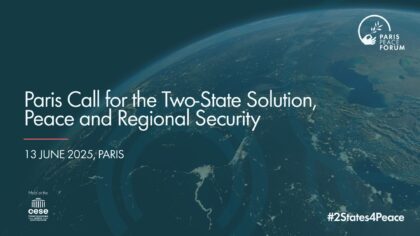 Publication
The Paris Call for the Two State Solution
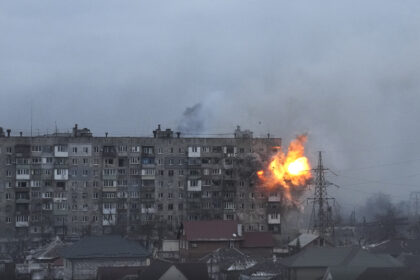 Interview
Justice for Victims in Ukraine: From evidence to accountability
 Interview
Harnessing AI to combat disinformation in the MENA region
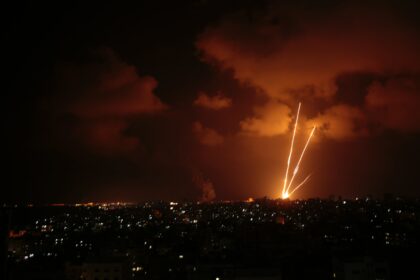 Op-ed
Op-ed
Justin Vaïsse's op-ed on the Israel-Hamas war
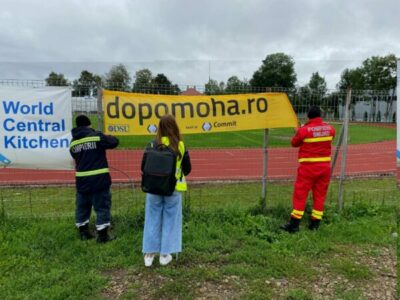 Interview
Humanitarian Assistance 2.0: Tech that saves lives in times of crisis
 Policy Brief
Hostile Influence Operations Ahead of the 2022 French Elections