

Paris Peace Forum 2026 | 11-12 Nov.
D-245
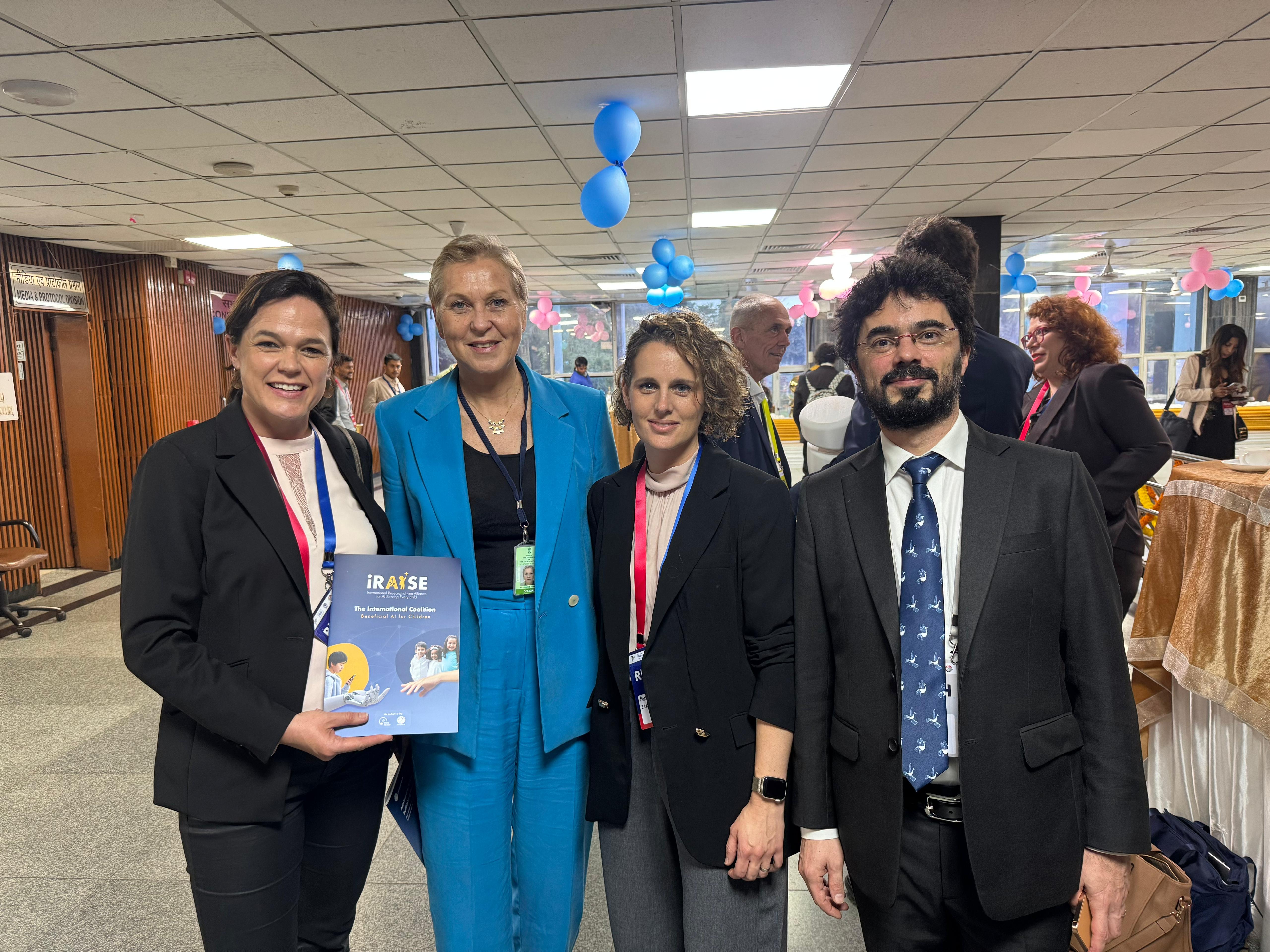
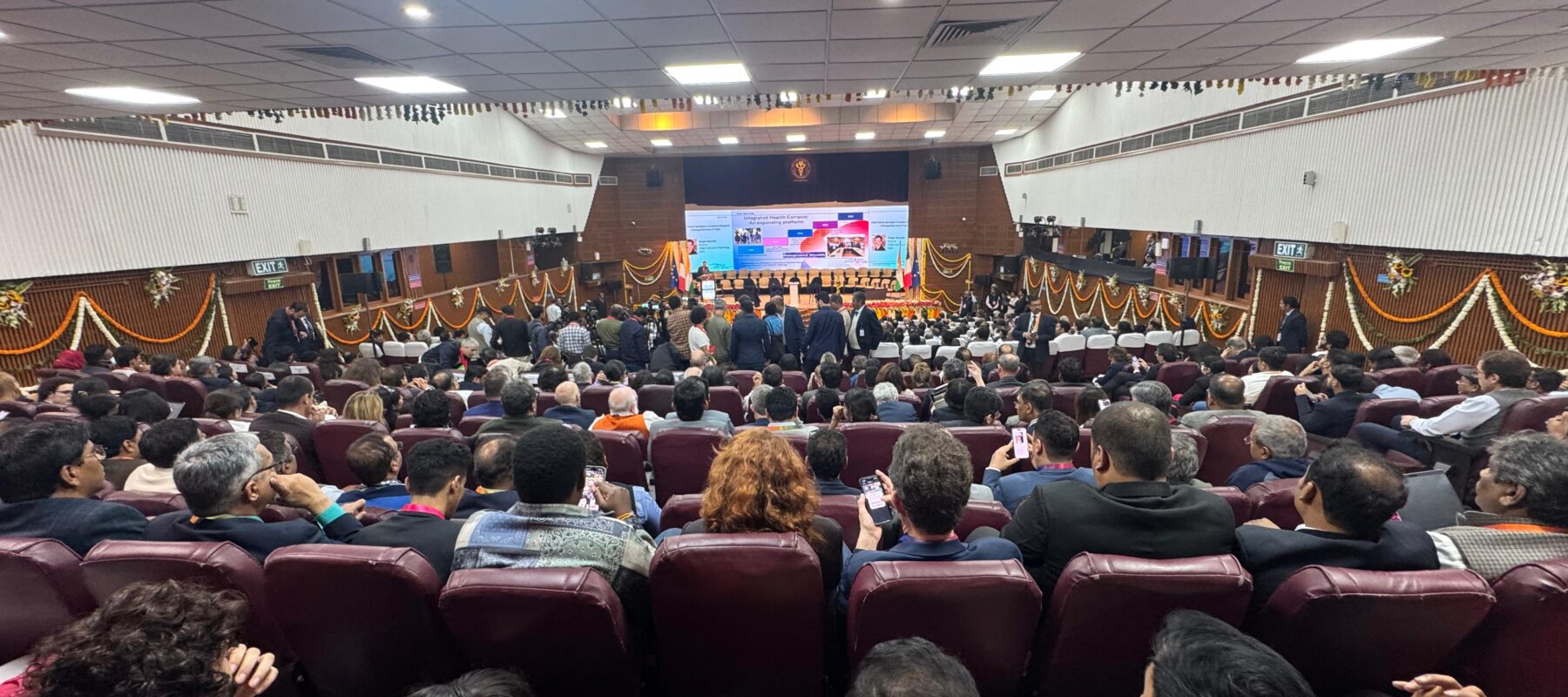
The Paris Peace Forum was present in New Delhi at the India AI Impact Summit, with two side events highlighting the challenges of artificial intelligence and child protection.
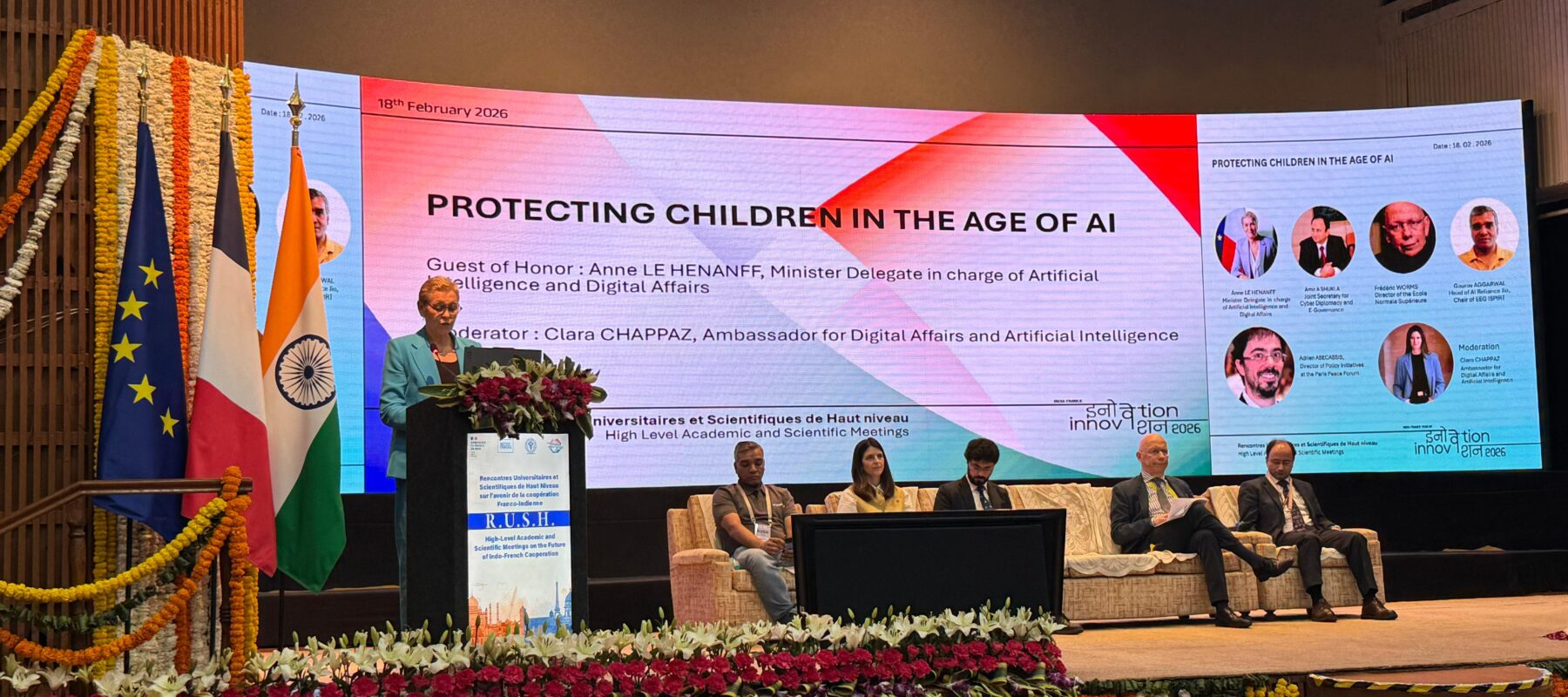
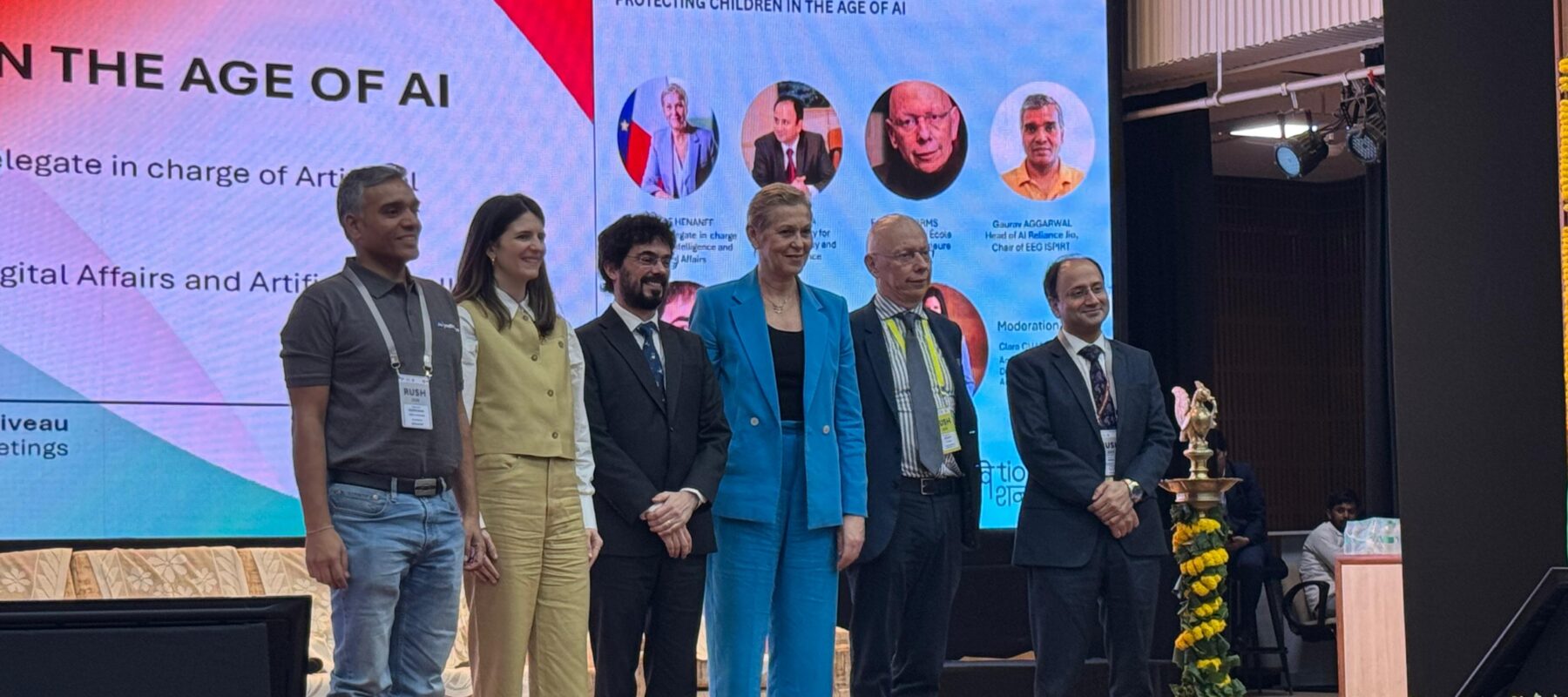
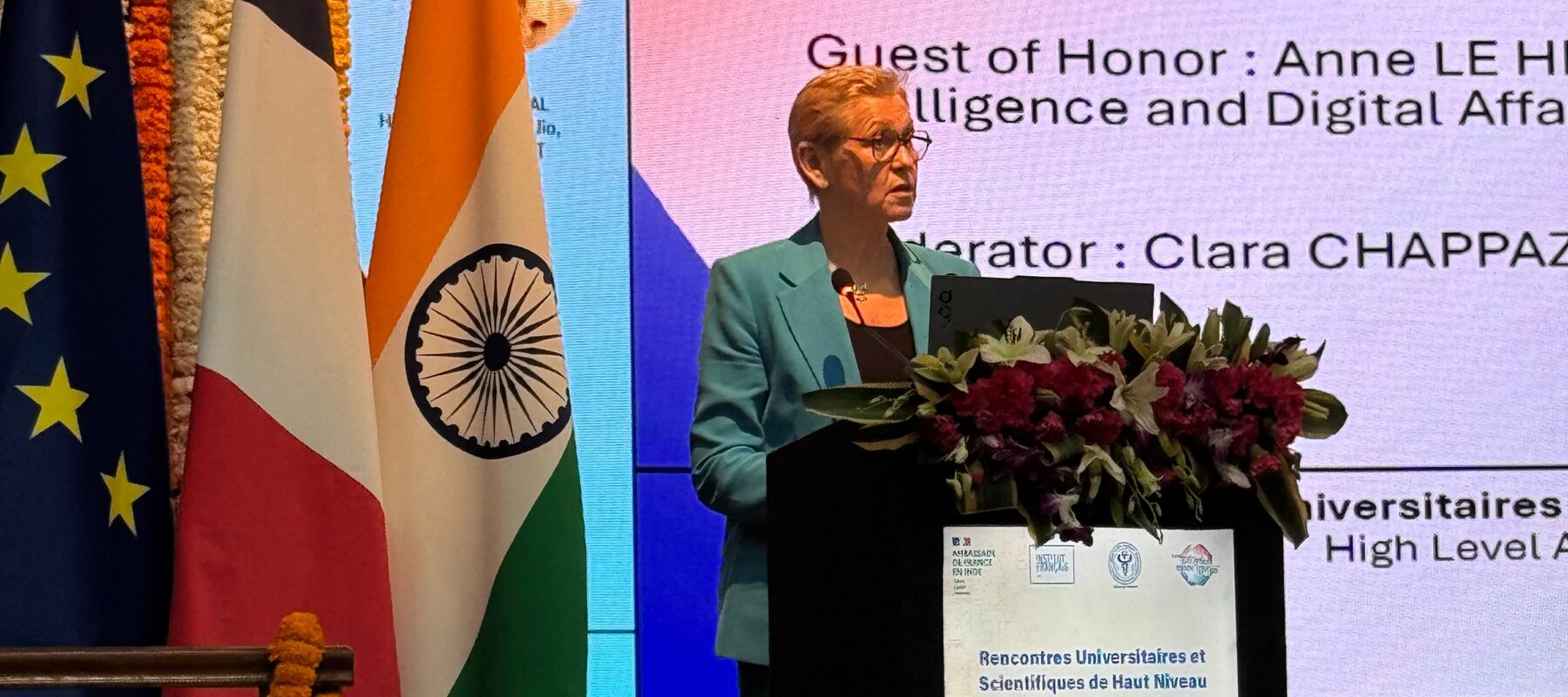
On the sidelines of the Summit, our Director of Policy Initiatives Adrien Abecassis took part in a high-level Franco-Indian session bringing together major figures from both countries: Minister Anne Le Hénanff, French Ambassador for AI Clara Chappaz, Indian Deputy Secretary for e-Governance Amit Shukla, Director of ENS-PSL Frédéric Worms, and Gaurav Aggarwal (iSPIRT).
This discussion marks a turning point for iRAISE, our initiative that we jointly launched with Everyone.AI one year ago in Paris, at the AI Action Summit.
Among the session's highlights:
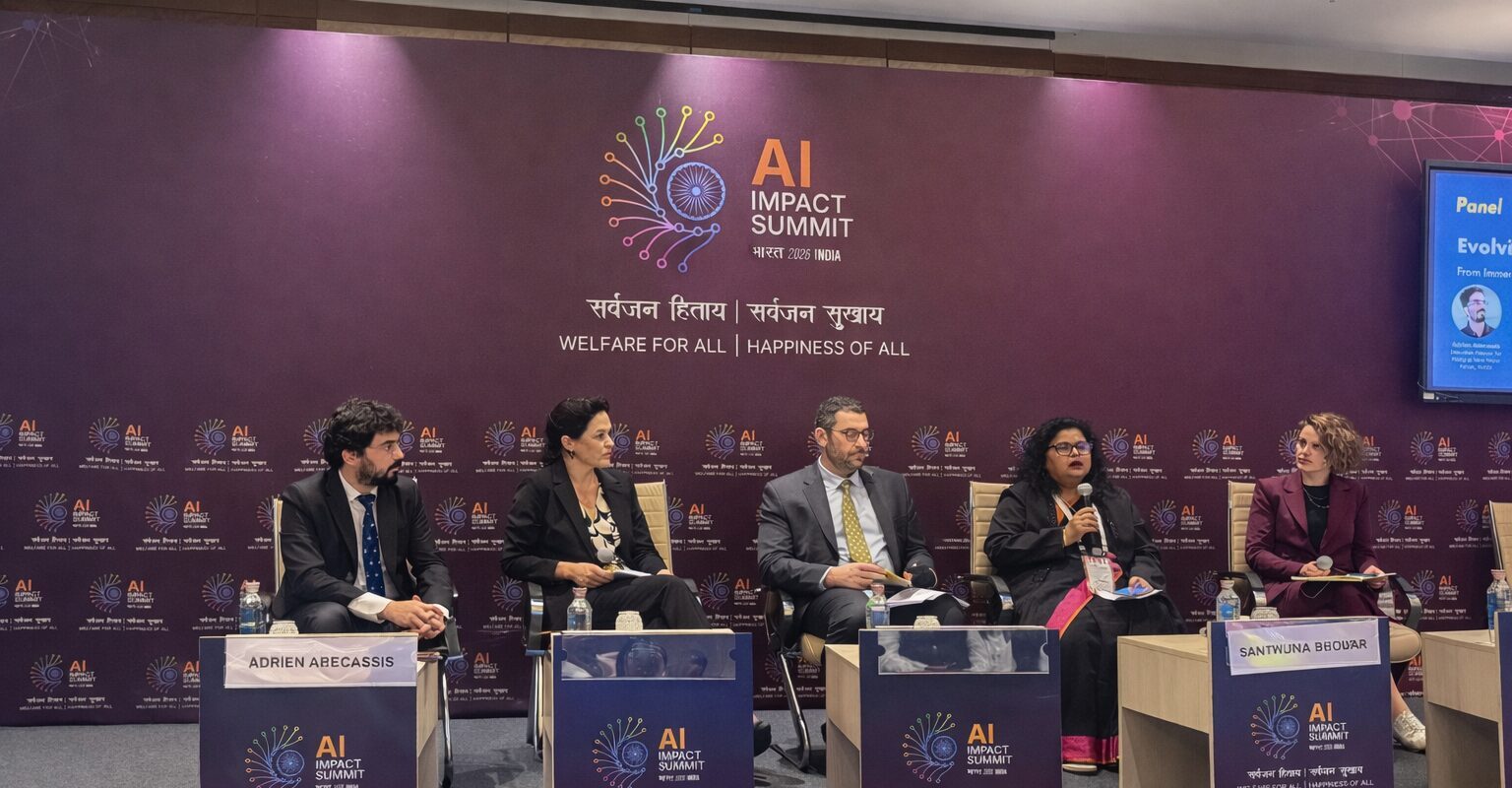
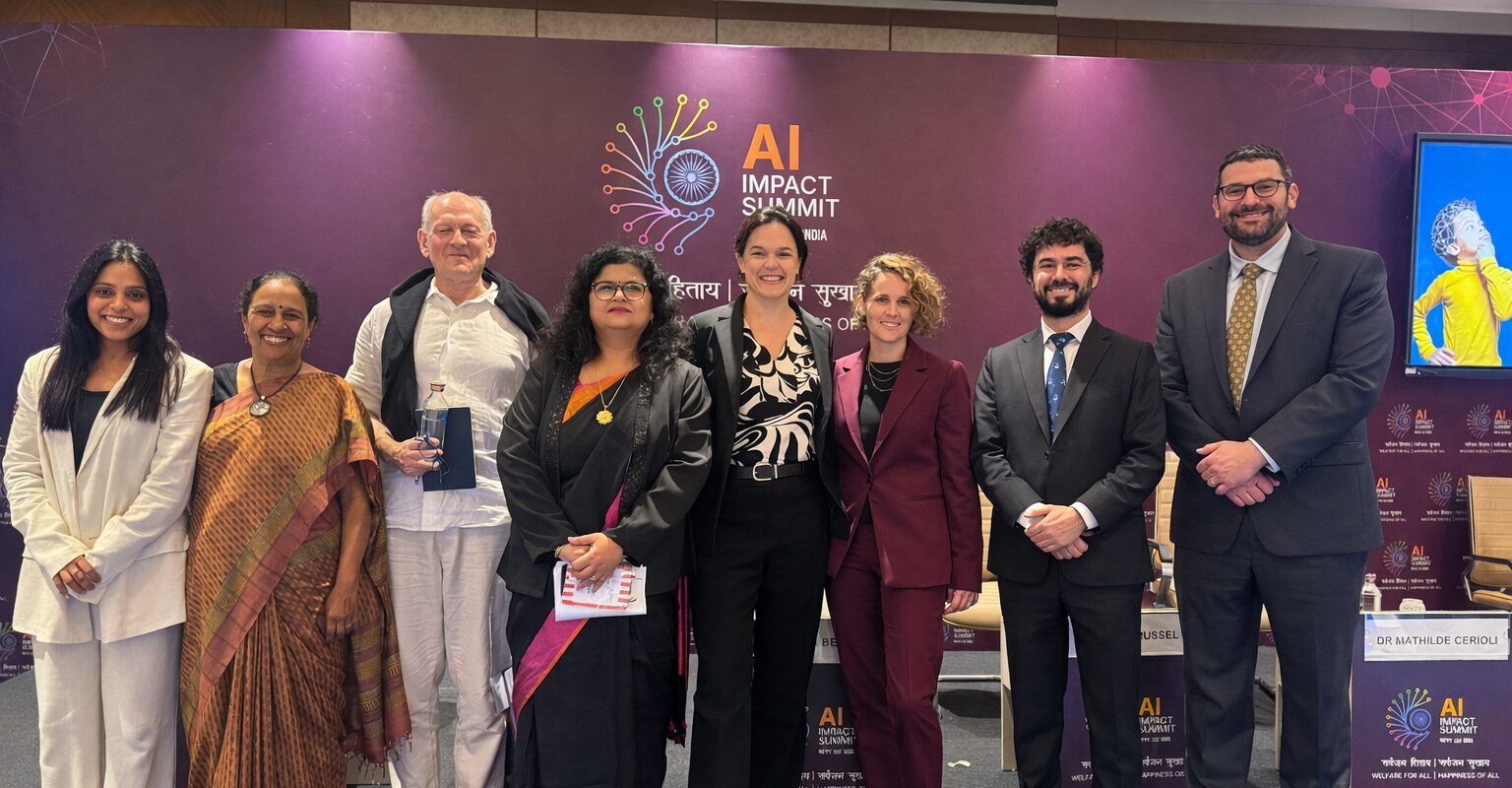
The Paris Peace Forum and everyone.AI also co-organised a dedicated side event, bringing together scientists, technology players, policymakers, and civil society representatives around a central question: how do we design AI that truly serves the next generation?
Stuart Russell opened the discussion by setting the framework: we share a collective responsibility to design an AI world that is fundamentally favourable to children. The speakers — Adrien Abecassis, Anne-Sophie Seret, Mathilde Cerioli, Dr. Sampurna Behura, Vithika Yadav, Meir Walters, and Lakshmi Pratury — were clear: protecting children in the age of AI is not only about blocking immediate risks, it is about building for their development.
A strong message came from India: child safety and child development cannot be separated. Both must have a seat at the same table — in research, in product design, and in public policy.
It is precisely to help establish a solid framework and adjust model behaviours that iRAISE has published its first report, "Adolescents and Anthropomorphic AI", led by Mathilde Cerioli. It starts from a simple observation: adolescents will develop a social relationship with AI, whether or not developers plan for it. The real lever lies in model behaviour — in the signals that keep a young person oriented toward real relationships and critical thinking, or conversely, that encourage dependency on the system.
The Paris Peace Forum remains fully committed to making iRAISE the reference space where every piece of the puzzle connects — from the laboratory to the boardroom, all the way to policymakers, with partners across the world. We will be at the G7 to continue advancing this initiative and deepening the parallel work of the Child Priority Framework, a concrete effort to place children's wellbeing at the heart of global investment and governance.