

Paris Peace Forum 2026 | 11-12 Nov.
D-228
Africa, endowed with many of the minerals essential to the energy transition, sits at the centre of this shifting landscape. As the global race for transition minerals intensifies, a key question is emerging at the heart of international governance: how can high environmental, social and governance standards be upheld without fragmenting markets and leaving resource-rich emerging economies behind?
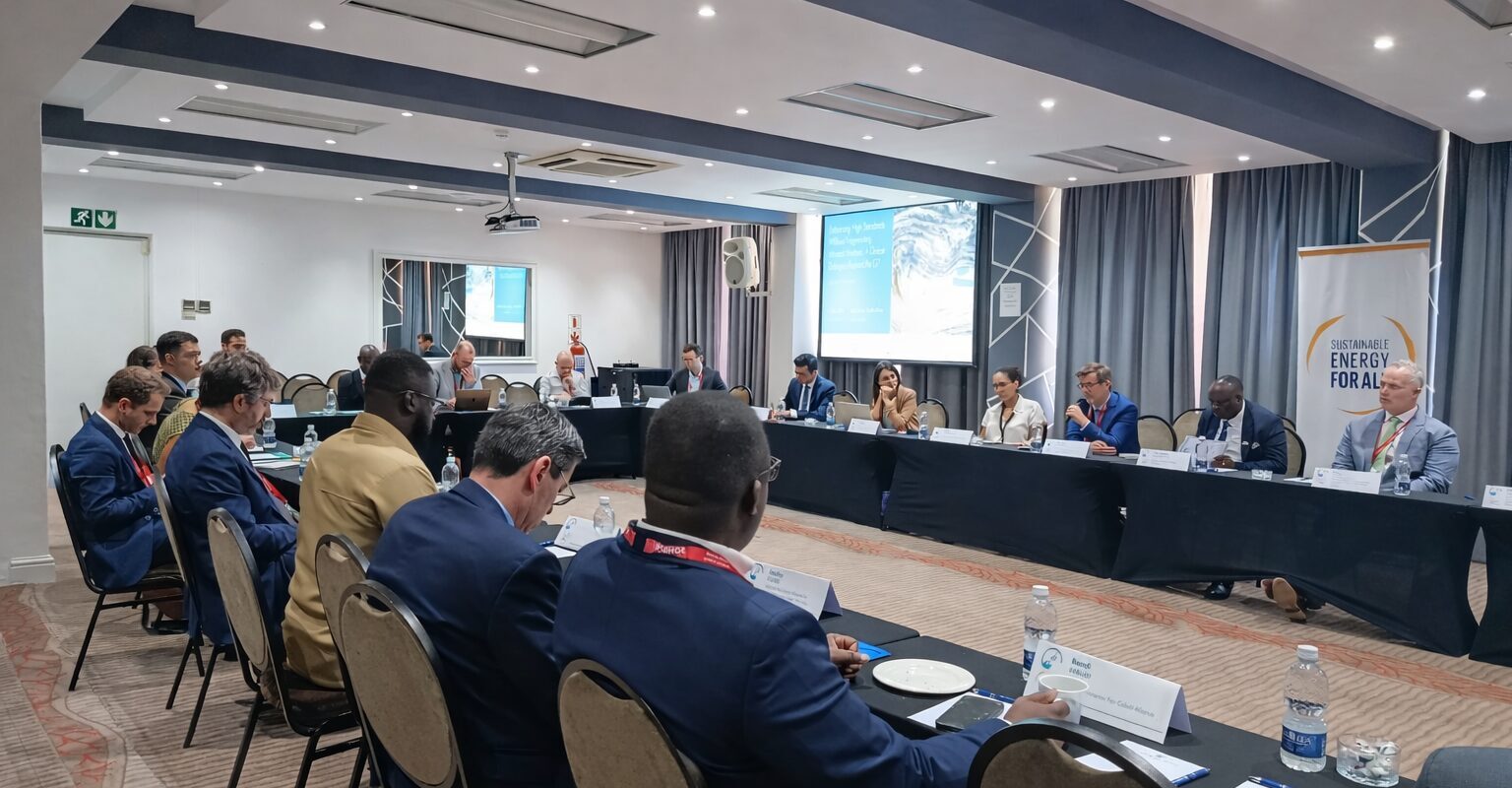
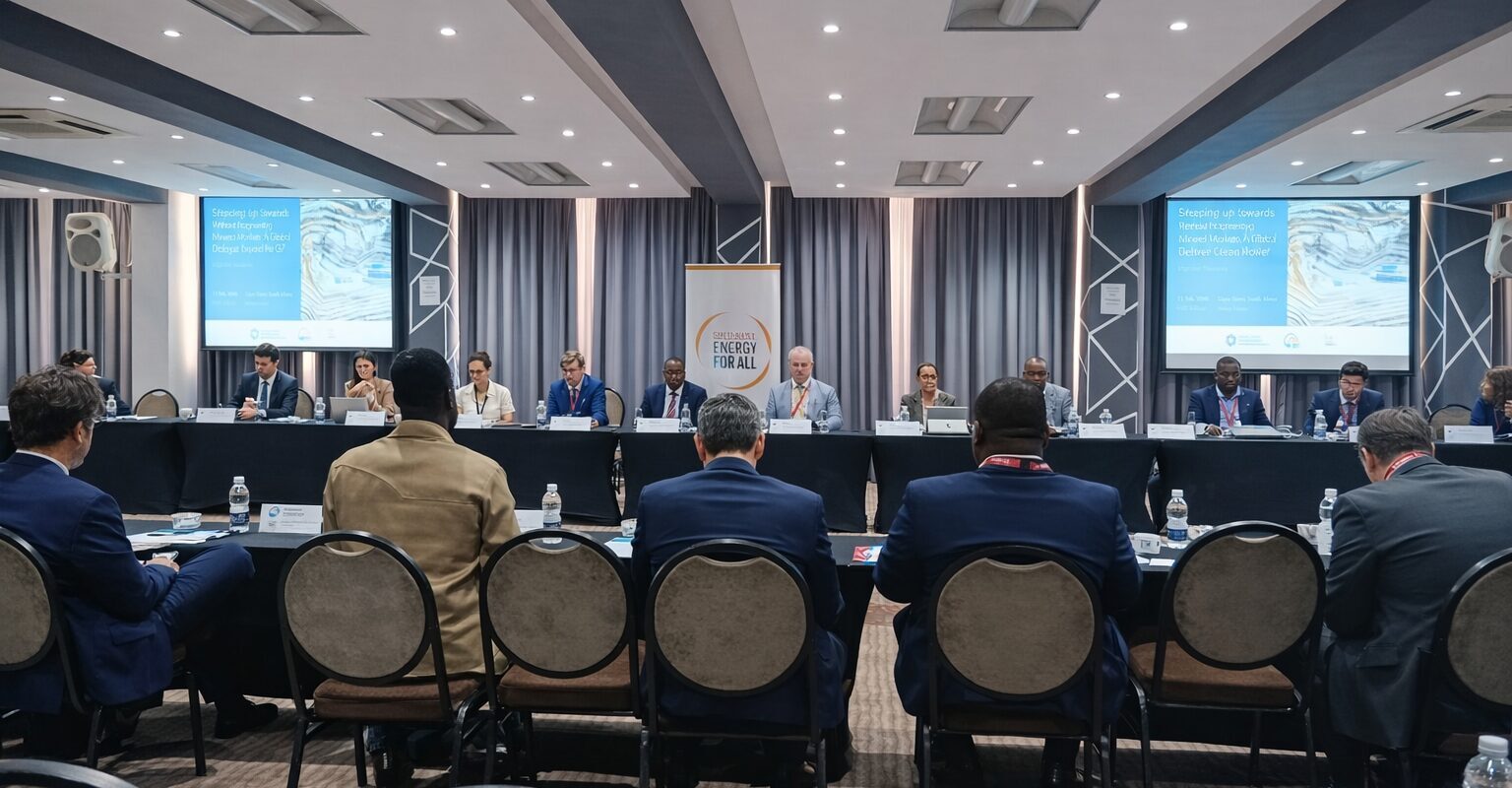
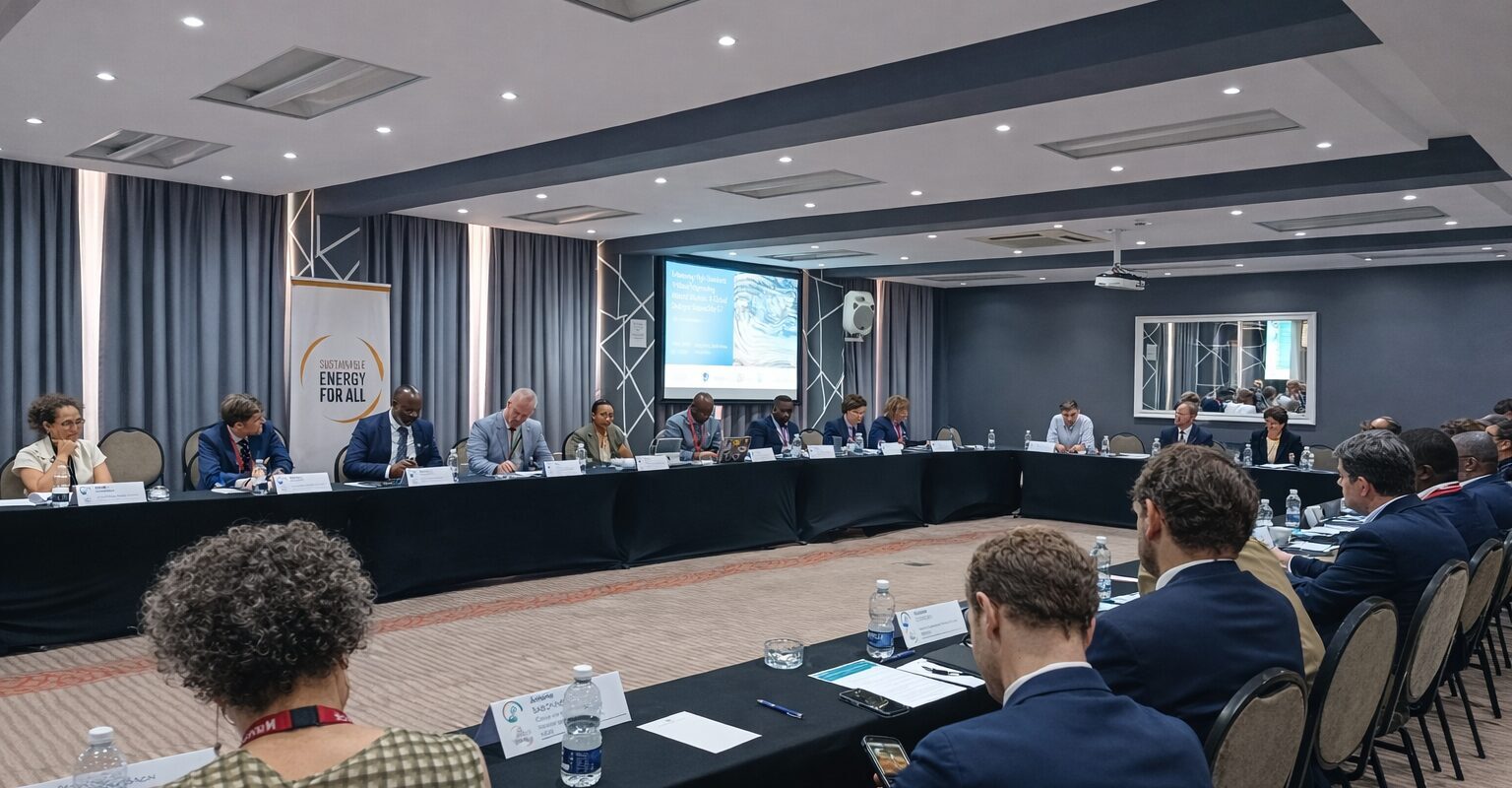
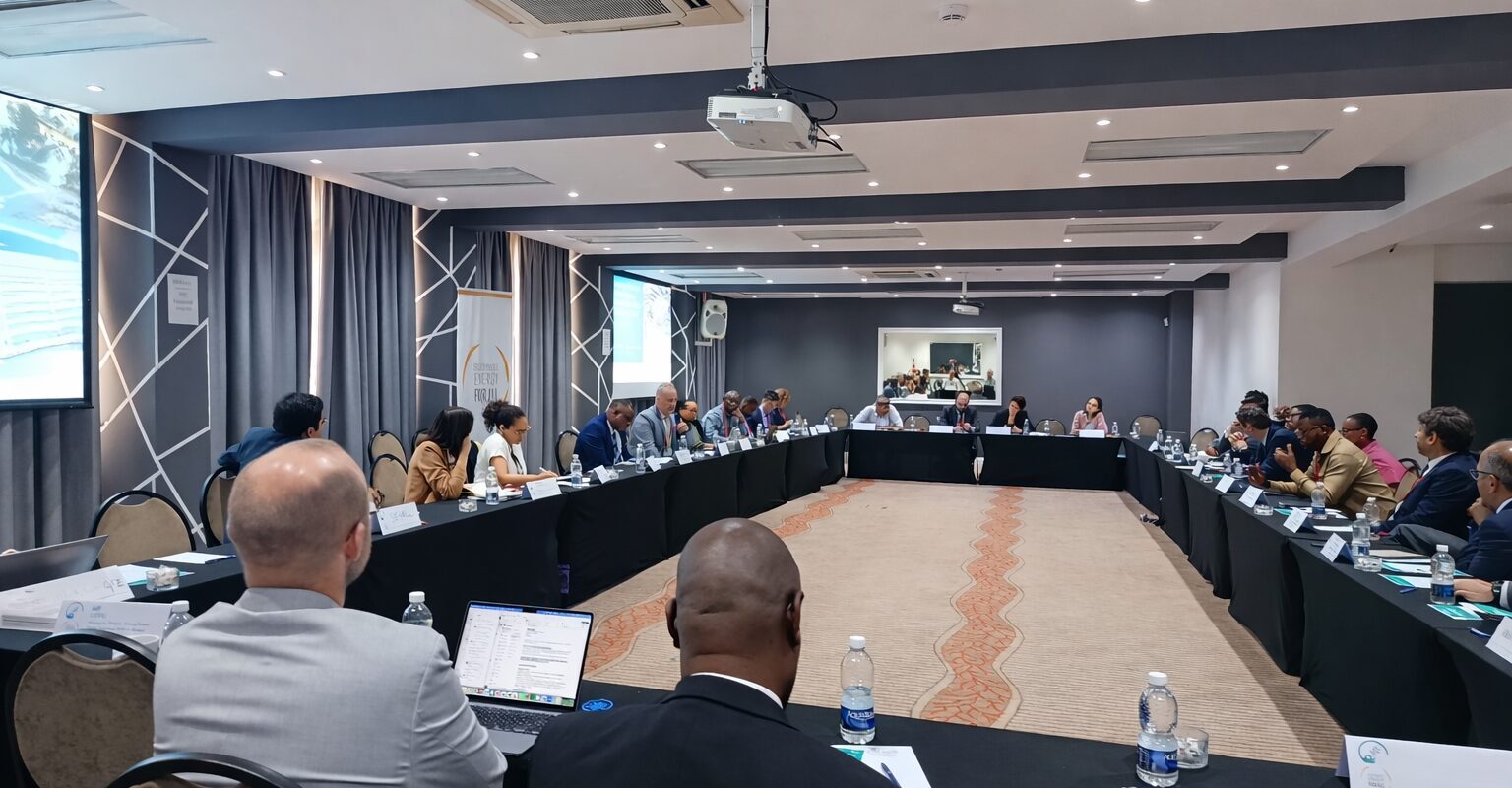
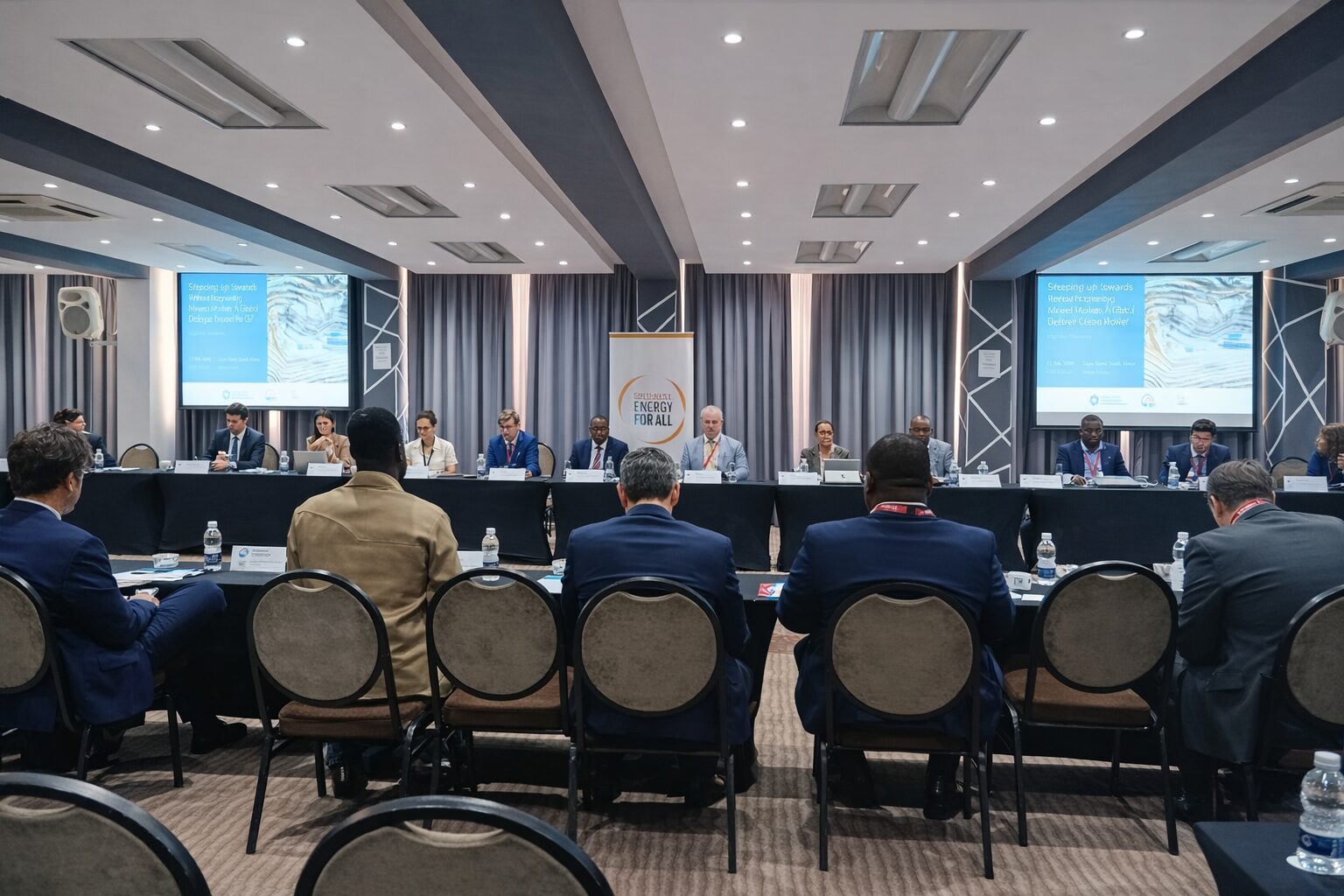
On the sidelines of African Mining Indaba 2026, Cape Town, South Africa, the Paris Peace Forum and its Global Council for Responsible Transition Minerals, alongside Sustainable Energy for All, convened a high-level roundtable bringing together producing country representatives, G7 governments, industry leaders, and civil society organizations to address this critical issue. The event took place against a backdrop of mounting geopolitical competition, export controls, and concentrated value chains — all of which are straining the pace and scale of minerals production needed for global decarbonization.
In 2025, G7 leaders adopted a Critical Minerals Action Plan and Roadmap to promote "standards-based markets" — a framework aimed at securing supply chains while raising the bar on responsible practices. While essential for transparency, sustainability, and resilience, these risks create a two-tier global system that could marginalize resource-rich developing countries, emerging economies, small producers, and small-scale and artisanal miners.
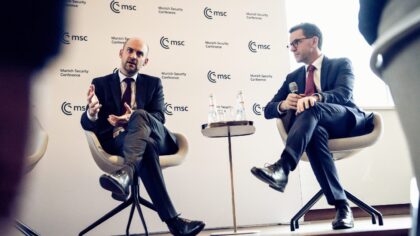
As Benjamin Gallezot, France's Interministerial Delegate for Strategic Minerals and Metals Supplies, noted:
"Critical minerals will be one of the central themes of the French G7 this year. The importance of these resources for industrial development and the energy transition is undeniable — as are the growing geopolitical and trade constraints in this sector."
The roundtable built on the Global Council's recently published Position Paper, "Ensuring High Standards Without Fragmenting Markets", which outlines concrete pathways to reconcile rigorous standards with inclusive market access. Its key recommendations call for building on existing standards and frameworks, avoiding the weaponization of standards, engaging producer countries and actors beyond the G7, fostering responsible industrialization, and unlocking investment flows.
At the roundtable, participants reached a broad consensus on the urgent need to strengthen institutional capacity and governance in producing emerging economies. Discussions emphasized the importance of increased technical assistance, legal and regulatory reforms, and the better integration of international standards into national frameworks. There was also a strong call for credible validation and verification mechanisms to ensure that standards are effectively implemented and credible. Many participants stressed that improving governance and combating corruption remain essential prerequisites for meaningful progress and for ensuring that standards deliver real impact on the ground.
At the same time, the discussion highlighted two major risks: the danger of “tick-box compliance,” where weak oversight reduces standards to reputational tools, and the risk of exclusion, as overly costly or poorly adapted requirements can marginalize artisanal and small-scale miners as well as producing countries.
The outcomes of this dialogue will directly feed into the Global Council's work and its position for the French G7 Presidency's agenda on transition minerals — a priority area at a moment when the global governance of mineral supply chains is becoming inseparable from questions of climate, development, and geopolitical stability.