


Paris Peace Forum 2026 | 10-11 Nov.
D-28
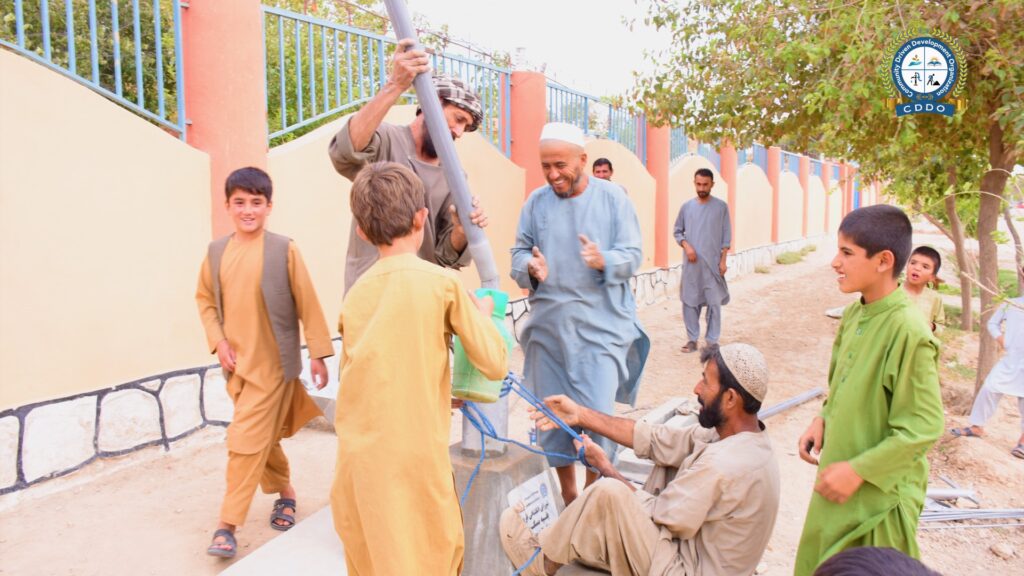
Co-led by Uplift Afghanistan Fund (UAF) and two local Afghan organizations Community-Driven Development organization (CDDO), and the Development Humanitarian and Education Organization (DHEO), Community Resilience, Livelihoods & Climate Stewardship in Afghanistan puts communities at the heart of this project. Local communities decide what is built and ensure the most vulnerable are prioritized. Through Cash-for-Work, vulnerable households earn income while building and repairing water systems, roads and shared infrastructure, strengthening resilience and livelihoods.
Over the past year, the Community and Livelihood Project, jointly led by Uplift and Community-Driven Development organization, has evolved from broad nationwide implementation to more refined, community-informed programming. Through in-depth needs assessments, we have adjusted our focus to emphasize context-specific cash-for-work, disaster preparedness (notably in Herat’s earthquake zones), and environmentally responsible construction, leading to deepened impact and strengthened local ownership.
 Publication
 – White Paper “Bringing society back in”
 Publication
2026 ATLAS Investment Barometer
 Publication
The Paris Call for the Two State Solution
 Interview
Justice for Victims in Ukraine: From evidence to accountability
 Policy Brief
Ahead of the N4G Summit: Policy Recommendations to Tackle Malnutrition